


Crafting a Rustic Birdhouse with Natural Materials
The charming sight of feathered friends flitting around a handcrafted birdhouse adds a touch of rustic elegance to any garden or backyard. Constructing a birdhouse with natural materials not only provides a haven for birds but also allows you to connect with nature and create a unique, environmentally friendly piece.
This guide will walk you through the process of building a rustic birdhouse using readily available natural materials, emphasizing a focus on sustainable practices and a celebration of nature's inherent beauty.
Choosing the Right Materials
The heart of a rustic birdhouse lies in the selection of materials that embody the essence of the natural world. Consider these options:
Wood
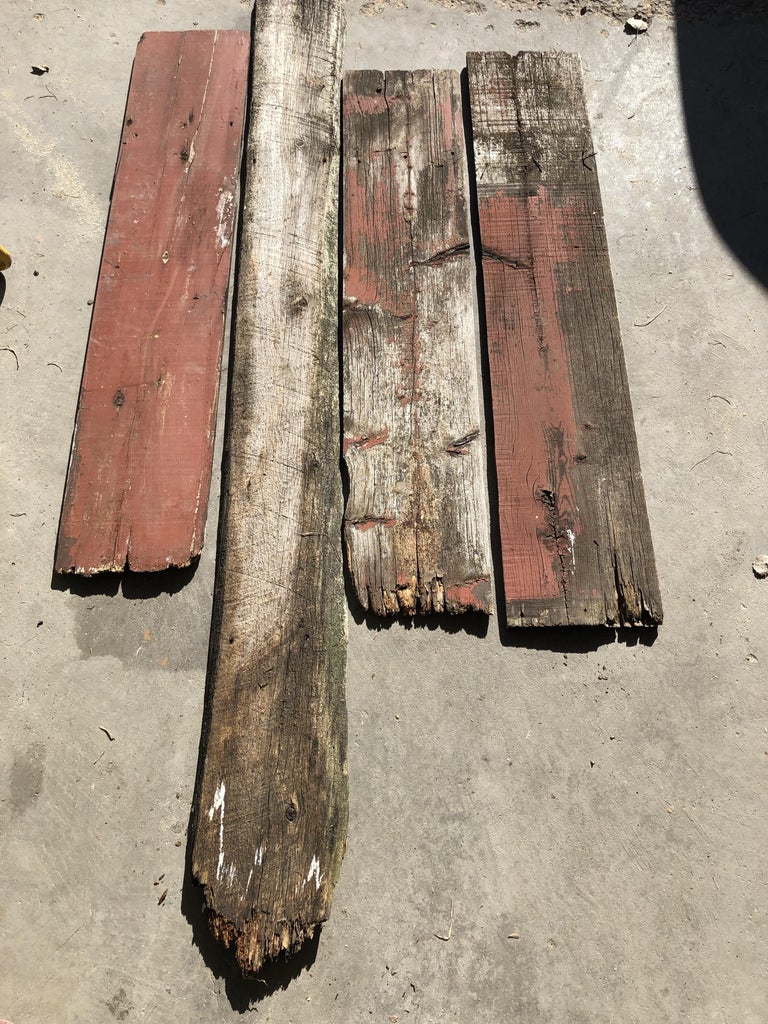
- Reclaimed Wood: Salvaged wood from old barns, fences, or pallets adds character and a sense of history to the birdhouse. Its weathered patina complements the rustic aesthetic.
- Driftwood: Found along beaches, driftwood's natural curves and textures bring a unique coastal charm to the birdhouse. Its bleached and weathered surface adds a touch of nautical elegance.
- Cedar: Known for its durability and resistance to rot, cedar is an excellent choice for birdhouses. Its natural aroma also helps repel insects.
Stone
For a truly unique and durable birdhouse, consider incorporating natural stones. These can be used for the base, roof, or even the entire structure. Stones provide a natural insulation and a rugged, timeless look.
Twigs and Branches
Weaving twigs and branches together can create a stunningly rustic birdhouse. This technique involves using pliable branches to form the structure and weaving smaller twigs to create a sturdy and intricate design.
Other Natural Materials
- Bamboo: Bamboo's hollow stalks can be used to create a lightweight and decorative birdhouse.
- Clay: Clay can be molded into a birdhouse and fired to create a durable, weather-resistant structure.
- Moss and Vines: Add a touch of living greenery by incorporating moss or climbing vines onto the birdhouse.
Designing the Birdhouse
Before you start building, consider these design elements that will make your birdhouse both aesthetically pleasing and suitable for its feathered inhabitants:
Size and Shape
The size and shape of the birdhouse should accommodate the specific species you wish to attract. Research the nesting preferences of the bird you want to entice, and ensure your birdhouse provides adequate space for nesting and raising young. A common size for general birdhouses is 6 inches deep, 6 inches wide, and 8 inches high. The entrance hole should be about 1.5 inches in diameter.
Entrance Placement
The entrance hole should be placed on the side of the birdhouse, preferably facing away from prevailing winds and direct sunlight. The bottom of the entrance should be 4-6 inches above the floor to discourage predators from reaching inside.
Ventilation and Drainage
Ensure that your birdhouse has adequate ventilation to prevent moisture buildup. This can be achieved by adding small ventilation holes on the sides or by using a slightly elevated floor. Incorporate a slight incline in the roof to allow rainwater to drain efficiently.
Roof Design
A sloped roof helps to protect the birdhouse from rain and snow. Consider using natural materials like cedar shingles or thatched straw for a truly rustic look. A simple gable roof design is a classic choice for a birdhouse.
Building the Birdhouse
Now, let's delve into the construction process. This guide will focus on building a simple birdhouse using reclaimed wood. The steps can be adapted for other natural materials with adjustments to techniques and tools.
Step 1: Gather Materials
Assemble the following materials:
- Reclaimed wood boards (for the front, back, sides, and roof)
- Wood glue
- Wood screws
- Saw
- Drill
- Measuring tape
- Pencil
- Sandpaper
- Optional: Stain or paint (for added protection and color)
Step 2: Cut the Wood
Using your saw, cut the wood boards to the following dimensions:
- Front and back: 6 inches wide by 8 inches high
- Sides: 6 inches wide by 6 inches high
- Roof pieces: 8 inches wide by 6 inches high (two pieces)
- Floor: 6 inches wide by 6 inches high
Step 3: Assemble the Birdhouse
- Attach the Sides to the Front and Back: Using wood glue and screws, attach the sides to the front and back pieces to form the main body of the birdhouse.
- Attach the Floor: Glue and screw the floor to the bottom of the birdhouse.
- Cut the Entrance Hole: Use your saw to cut a 1.5-inch diameter entrance hole in the front piece of the birdhouse. Ensure it's placed 4-6 inches above the floor.
- Attach the Roof: Glue and screw the two roof pieces to the top of the birdhouse. Make sure the roof overlaps slightly to ensure watertightness.
- Add Ventilation: Drill a couple of small holes on the sides of the birdhouse for ventilation.
Step 4: Finishing Touches
- Sand the Birdhouse: Sand the entire birdhouse with sandpaper to smooth out any rough edges and give it a polished finish.
- Apply Stain or Paint: If desired, apply a wood stain or paint to protect the birdhouse from the elements and enhance its rustic look. Choose natural tones that blend with the surrounding environment.
Installing the Birdhouse
Once the birdhouse is complete, it's time to install it in a location that provides a safe and welcoming environment for birds. Here are some tips for installation:
- Choose a Safe Location: Select a spot that is away from predators and high traffic areas. Trees, fences, or poles offer excellent placement options.
- Mount It Securely: Ensure the birdhouse is firmly mounted to prevent it from falling. Use heavy-duty screws or wire to secure it to its support.
- Consider Height: Position the birdhouse at a height that allows easy access for birds while discouraging predators.
- Provide a Perch: Add a small branch or twig near the entrance hole for birds to land on.
Attracting Birds to Your Birdhouse
Now that your rustic birdhouse is installed, it's time to encourage feathered friends to make it their home. Here are some tips to attract birds to your creation:
- Offer a Food Source: Provide a bird feeder nearby with seeds that attract the type of birds you hope to attract.
- Create a Water Source: Birds need water for drinking and bathing. Place a bird bath or shallow dish of water near the birdhouse.
- Provide Nesting Materials: Offer birds a natural nesting material like shredded bark, pine needles, or straw. Place a small container of these materials near the birdhouse.
- Maintain a Healthy Environment: Keep the area around the birdhouse free of clutter and potential hazards for birds.
Enjoying Your Rustic Birdhouse
Building a rustic birdhouse is a rewarding experience that brings nature closer to home. The sight of birds nesting and raising their young within your handcrafted haven is a testament to the beauty and wonder of the natural world. Remember to observe the birds, respect their space, and cherish the joy they bring to your garden. Enjoy the serene symphony of bird songs and the vibrant tapestry of feathers that your rustic birdhouse attracts.

0 comments:
Post a Comment
Note: Only a member of this blog may post a comment.