


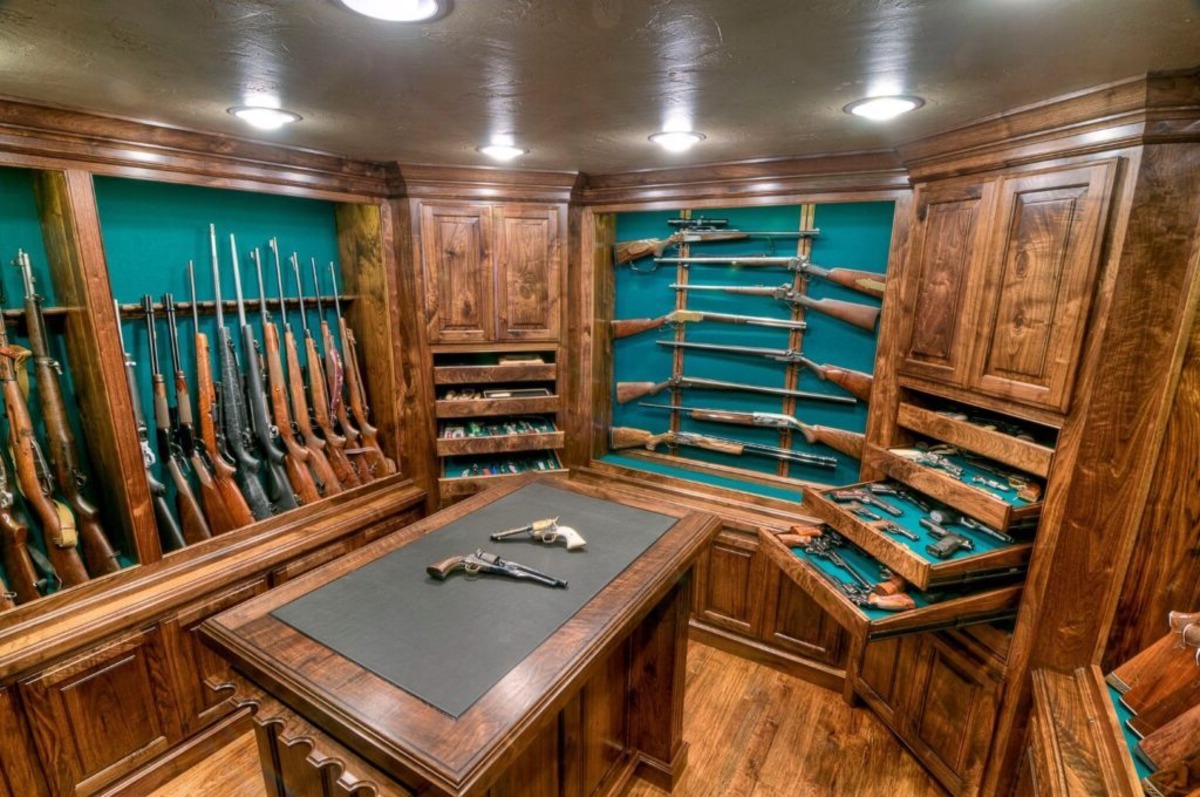
DIY Guide to Building a Wooden Gun Cabinet with an Industrial Look
A gun cabinet is an essential piece of equipment for any gun owner. It provides a safe and secure place to store firearms, preventing unauthorized access and ensuring the safety of both the owner and the community. While commercially available gun cabinets offer convenience, building your own offers a unique opportunity to customize the design, materials, and overall aesthetics. This DIY guide will walk you through the process of constructing a stylish and functional wooden gun cabinet with an industrial look.
Materials and Tools
Before embarking on this project, ensure you have the necessary materials and tools. This list outlines the essentials, but feel free to modify based on your specific design choices and preferences:
Wood
- Cabinet sides and back: 1/2" thick plywood (consider Baltic birch for superior quality)
- Cabinet top and bottom: 3/4" thick hardwood, like maple or walnut, for a more robust and refined look
- Doors: 1/2" thick plywood, ideally with a wood veneer or solid wood for a premium finish
- Shelves: 1/2" thick plywood, or you can use thicker wood for heavier firearms
- Door frame: 1" x 2" or 2" x 2" wood for strength and stability
- Drawer slides: Full-extension, heavy-duty drawer slides for smooth operation
- Lock: A robust lock with multiple locking points, ensuring maximum security
Hardware
- Hinges: Heavy-duty, concealed hinges for a clean and professional look
- Screws and nails: Assortment for various wood thicknesses and applications
- Wood glue: A high-quality wood glue for strong and durable bonds
- Wood filler: For patching any imperfections or holes in the wood
- Sandpaper: Various grits for smoothing surfaces and preparing for finishing
- Finishing materials: Stain, paint, varnish, or oil, according to your desired aesthetic
- Safety equipment: Eye protection, dust mask, hearing protection, gloves
Tools
- Circular saw or table saw: For cutting wood to size
- Miter saw: For precise cuts at angles, especially for door frames
- Drill: For drilling pilot holes and attaching hardware
- Screwdriver: For driving screws accurately and efficiently
- Clamps: For securing wood pieces during assembly and gluing
- Measuring tape and level: For accurate measurements and ensuring a level cabinet
- Hammer: For driving nails and securing various components
- Router (optional): For creating decorative edges or custom moldings
- Sanding block or orbital sander: For smoothing surfaces and achieving a consistent finish
Design and Planning
Before diving into construction, take time to plan and design your gun cabinet. Consider these factors:
Size
- Determine the number of firearms you need to store.
- Measure the available space where the cabinet will be placed.
- Decide on the cabinet's width, depth, and height to ensure it accommodates your firearms comfortably.
Style
- Consider the desired aesthetic â€" industrial, rustic, modern, or traditional.
- Choose wood species and finishes that complement the overall style.
- Think about the details, such as door handles, hinges, and overall design elements.
Functionality
- Decide on the number of shelves and drawers needed for your firearm collection.
- Consider the size of the shelves and drawers to accommodate different types of firearms.
- Think about the placement of shelves and drawers for optimal accessibility and organization.
Construction
Once you have a clear design, start building the cabinet. This section outlines the major steps:
Cutting the Wood
- Cut the plywood for the cabinet sides, back, top, and bottom according to your design measurements.
- Cut the door panels to the desired size, ensuring they are slightly smaller than the opening to allow for hinges.
- Cut the shelves and drawer slides to the desired length.
- Use the miter saw for precise cuts of the door frame and any other angled pieces.
Assembling the Cabinet
- Attach the sides, back, top, and bottom together using wood glue and screws. Make sure the corners are square and the pieces are aligned properly.
- Clamp the pieces together until the glue dries completely.
- Create a frame around the door opening using the 1" x 2" or 2" x 2" wood. This ensures a strong and stable opening for the door.
- Attach the shelves to the sides of the cabinet using screws, making sure they are securely fastened.
- Install drawer slides according to the manufacturer's instructions. Ensure they are level and securely attached to the cabinet.
Installing the Door
- Attach the hinges to the door and the cabinet frame using screws, making sure the hinges are aligned properly.
- Ensure the door opens and closes smoothly, and the hinges are securely fastened.
Adding the Lock
- Install the lock on the door using the provided instructions. Ensure the lock is securely fastened and functions smoothly.
Finishing
Once the cabinet is assembled, it's time to add the finishing touches.
Sanding
- Sand all surfaces of the cabinet to remove any rough edges or imperfections.
- Start with a coarser grit sandpaper and gradually work your way to finer grits.
- Sanding ensures a smooth and even surface for the finish.
Applying Finish
- Choose a finish that complements your desired aesthetic, such as stain, paint, varnish, or oil.
- Apply the finish according to the manufacturer's instructions. Ensure the finish is applied evenly and smoothly.
- Allow the finish to dry completely before handling or installing the cabinet.
Industrial Aesthetics
To achieve an industrial look, incorporate these elements:
Metal Accents
- Use metal handles or pulls for the doors and drawers. Consider black metal for a classic industrial aesthetic.
- Add a metal plate or decorative hardware to the front of the cabinet, for an industrial touch.
Dark Finishes
- Choose a dark stain or paint, such as a dark walnut stain or black paint, to create a contrast and an industrial feel.
Rough Texture
- Consider using a distressed finish or leaving some of the wood's natural texture visible for a more rugged and industrial look.
Open Shelving
- Consider using open shelving for some of the firearms to create a more industrial and functional display.
Safety and Security
Always prioritize safety and security when working with firearms. Here are essential considerations:
- Store firearms in a locked cabinet.
- Use a robust lock with multiple locking points.
- Mount the cabinet securely to the wall to prevent theft.
- Keep ammunition separate from firearms.
- Never leave loaded firearms unattended.
- Always handle firearms responsibly.
Conclusion
Building your own wooden gun cabinet is a rewarding project that combines functionality and personal style. By following this guide, you can create a secure and stylish storage solution for your firearms, while expressing your personal aesthetic and enjoying the satisfaction of a DIY accomplishment. Remember to always prioritize safety and security throughout the process.

0 comments:
Post a Comment
Note: Only a member of this blog may post a comment.