Wednesday, November 20, 2024

Birdhouses That Are Easy to Build and Perfect to Sell

Birdhouses That Are Easy to Build and Perfect to Sell

Birdhouses That Are Easy to Build and Perfect to Sell

The allure of handcrafted birdhouses transcends mere functionality. They are not just shelters for feathered friends but artistic expressions that add charm and character to gardens and landscapes. For aspiring woodworkers and hobbyists, building birdhouses presents a fantastic opportunity to tap into a lucrative market while indulging in a fulfilling craft. This guide delves into easy-to-build birdhouse designs that are perfect for sale, equipping you with the knowledge and inspiration to embark on your entrepreneurial journey.

Factors to Consider When Choosing a Birdhouse Design

Before diving into construction, it's crucial to consider factors that influence both the appeal and functionality of your birdhouses.

Target Bird Species

Different bird species have varying preferences when it comes to nesting sites. Researching the birds common to your area will help you tailor your designs to their specific requirements. For instance, smaller birds like chickadees prefer smaller entry holes, while larger birds like bluebirds need a wider opening.

Materials and Aesthetics

The choice of materials significantly impacts the overall cost, durability, and visual appeal of your birdhouses.

  • Cedar: Naturally resistant to decay and insect infestations, cedar is a popular choice for its longevity and aromatic scent.
  • Pine: An affordable option, pine is readily available and easy to work with.
  • Recycled wood: Incorporating salvaged wood adds an eco-friendly touch and contributes to a unique aesthetic.
  • In terms of aesthetics, consider the overall style and theme you wish to achieve. Rustic designs often incorporate natural elements like branches and twigs, while modern styles embrace sleek lines and geometric shapes. Paint and decorative accents can further enhance the visual appeal.

    Ease of Construction

    As a budding woodworker, choosing designs that are straightforward to build is essential. Focus on designs that utilize basic woodworking techniques and readily available materials. Avoid overly intricate designs that may require specialized tools or extensive experience.

    Easy-to-Build Birdhouse Designs for Sale

    Now, let's explore some birdhouse designs that are both easy to construct and highly marketable:

    Classic Gable Birdhouse

    The classic gable roof design is timeless and instantly recognizable. This simple design involves cutting a base, two sides, a roof, and an entrance hole. You can add decorative elements like a small porch or a window for visual interest.

    Squirrel-Proof Birdhouse

    Squirrels are notorious for raiding birdhouses, so incorporating squirrel-proofing features is crucial. Designs with a metal baffle or a roof overhang that extends beyond the entrance can deter these pesky critters.

    Multi-Chamber Birdhouse

    This design offers multiple nesting cavities, perfect for attracting multiple bird families. The chambers can be arranged vertically or horizontally, allowing you to cater to various species' nesting preferences.

    Birdhouse with Feeding Station

    Combining a birdhouse with a feeding station creates a comprehensive habitat that attracts birds year-round. Designs can include a small platform below the entrance for feeding or a separate feeding compartment.

    Rustic Birdhouse with Log Siding

    Embrace the beauty of natural elements with a rustic birdhouse design. Utilizing logs or reclaimed wood as siding creates a charming and authentic aesthetic. This design adds a touch of wilderness to any garden.

    Tips for Building High-Quality Birdhouses

    To ensure your birdhouses are both functional and visually appealing, follow these tips:

    Choose Quality Wood

    Invest in quality wood that is free from knots and imperfections. This will ensure the longevity and stability of your birdhouses.

    Accurate Measurements and Cuts

    Precise measurements and clean cuts are essential for a professional-looking finish. Utilize a measuring tape, square, and saw to ensure accuracy.

    Secure Assembly

    Use appropriate adhesives, screws, and nails to assemble your birdhouses securely. Ensure all components are tightly joined to prevent warping or instability.

    Proper Drainage

    Incorporate drainage holes in the roof or floor to prevent water buildup and mold growth inside the nesting cavity. This ensures a healthy environment for the birds.

    Attractive Finishing Touches

    Sand all surfaces to a smooth finish before applying paint or stain. Choose weather-resistant paints or stains to protect the wood and enhance its appearance.

    Marketing Your Birdhouses

    With your beautifully crafted birdhouses ready to sell, it's time to reach your target market.

    Online Platforms

    Utilize online platforms like Etsy, Amazon Handmade, and Facebook Marketplace to reach a wider audience. High-quality photographs and compelling product descriptions are essential for attracting customers.

    Local Craft Fairs and Markets

    Participating in local craft fairs and farmers' markets allows you to showcase your birdhouses directly to potential buyers. Engage with customers, share your passion for woodworking, and answer any questions they may have.

    Word-of-Mouth Marketing

    Leverage the power of word-of-mouth marketing by encouraging satisfied customers to spread the word about your birdhouses. Offer referral programs or discounts for customer recommendations.

    Conclusion

    Building and selling birdhouses offers a fulfilling and profitable endeavor. By selecting easy-to-build designs, using quality materials, and marketing your creations effectively, you can transform your passion for woodworking into a successful venture. Embrace the joy of creating functional art that attracts feathered friends and brings beauty to gardens and landscapes.
    Share:

    Tuesday, November 19, 2024

    Budget-Friendly Wooden Magazine Rack Designs That Sell Well

    Budget-Friendly Wooden Magazine Rack Designs That Sell Well

    Budget-Friendly Wooden Magazine Rack Designs That Sell Well

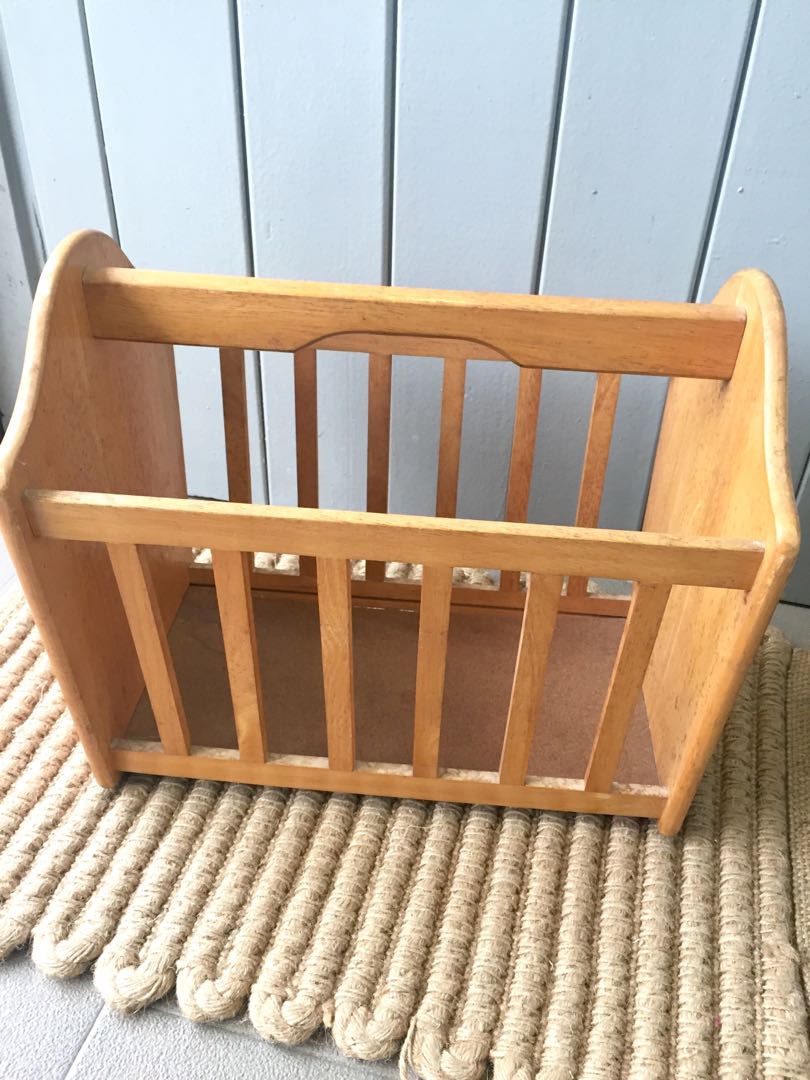
    Hey there, fellow DIYers and furniture fanatics! Ever get tired of those overflowing stacks of magazines cluttering up your home? I know I do! But let's be real, fancy magazine racks can be pricey. That's why I'm sharing my secret weapon for stylish and organized storage: budget-friendly wooden magazine racks! Not only are they super easy to make, but they also add a touch of charm to any space. Let's dive into some designs that are sure to sell like hotcakes.

    The Classic Lean-Against-the-Wall Rack

    This is your classic, no-frills design that's perfect for those who want simplicity and functionality. It's a super easy project that even beginners can tackle!

    Materials You'll Need

    • Wooden boards (think pine or plywood, they're usually budget-friendly)
    • Wood glue
    • Wood screws
    • Saw (a circular saw or jigsaw will do the trick)
    • Sandpaper
    • Stain or paint (optional, but it can really elevate the look!)

    Construction Steps

    1. Cut your boards: You'll need a base board, two side pieces, and some shelf boards. The size will depend on how many magazines you want to hold, but aim for something that's visually pleasing.
    2. Assemble the base: Glue and screw the side pieces to the base board, ensuring the corners are square.
    3. Add the shelves: Attach the shelf boards to the sides, spacing them out evenly to create the perfect magazine-holding compartments.
    4. Sand it smooth: Smooth out any rough edges with sandpaper.
    5. Finish it off: Apply your stain or paint to give your rack a polished look.

    Voila! You've got a functional, budget-friendly magazine rack that can easily be customized to fit your style. Just imagine the satisfaction of knowing you made something beautiful with your own two hands!

    The Wall-Mounted Magazine Rack

    This is a great option if you want to save floor space and add a touch of visual interest to your walls.

    Materials You'll Need

    • Wooden boards (pine or plywood work well!)
    • Wood glue
    • Wood screws
    • Saw (circular saw or jigsaw)
    • Sandpaper
    • Stain or paint (optional but fun!)
    • Wall mounting hardware (like D-rings or heavy-duty hooks)

    Construction Steps

    1. Cut your boards: Create a base board, a back piece, and a few shelf boards.
    2. Assemble the frame: Glue and screw the base board to the back piece.
    3. Add the shelves: Attach the shelf boards to the back piece, leaving some space in between each one to create magazine compartments.
    4. Sand it smooth: Smooth out any rough edges.
    5. Attach the mounting hardware: Screw on your D-rings or hooks to the back of the rack.
    6. Finish it off: Stain or paint your rack to match your decor.

    Now you've got a wall-mounted magazine rack that's both practical and aesthetically pleasing. Think about how you can incorporate different wood types or staining techniques for a unique look.

    The Industrial-Chic Magazine Rack

    Want to create a magazine rack with a little bit of edge? Try out this industrial style!

    Materials You'll Need

    • Wooden boards (consider reclaimed wood for that industrial vibe!)
    • Metal pipes or brackets (look for those at your local hardware store)
    • Pipe fittings (elbows, tees, etc.)
    • Wood screws
    • Metal screws
    • Sandpaper
    • Rust-oleum or other protective coating (optional, but it can add a cool weathered look)

    Construction Steps

    1. Cut your boards: You'll need a base board and some shelf boards.
    2. Create the pipe frame: Connect your metal pipes and fittings to form the base of your rack.
    3. Attach the shelves: Screw the shelf boards to the pipe frame, creating your magazine compartments.
    4. Sand it smooth: Sand down any rough edges on your wood boards.
    5. Add a finishing touch: Apply Rust-oleum or a protective coating to the metal pipes for a vintage industrial look.

    This industrial style magazine rack will make a statement in any room! It's a great way to incorporate that modern, urban aesthetic while keeping things budget-friendly.

    Tips for Success:

    • Choose the right wood: Pine and plywood are great budget-friendly options, but don't hesitate to get creative with reclaimed wood, which can add a unique character to your piece.
    • Think about the finish: A simple stain or paint can make a huge difference. Experiment with different colors and textures to find what best suits your style.
    • Don't forget the hardware: For a more polished look, choose high-quality screws and hinges that match your overall aesthetic.
    • Measure twice, cut once: Accuracy is key for a professional-looking magazine rack. Take your time and make sure everything fits perfectly before you start assembling.
    • Get creative: Don't be afraid to experiment with different designs and materials to create a unique and personalized magazine rack.

    Marketing Tips for Selling Your Magazine Racks:

    Now that you've got your amazing creations, let's talk about getting them out there!

    • High-quality photos: Showcase your magazine racks in a well-lit setting. Use natural light whenever possible.
    • Highlight the features: Focus on the functionality and aesthetics of each design. Let your photos tell the story!
    • Target your audience: Consider your ideal customer. Are they looking for rustic charm, minimalist style, or something in between?
    • Price it right: Research similar magazine racks to get a sense of competitive pricing. Factor in your material costs and your time.
    • Promote on social media: Share your creations on platforms like Instagram, Facebook, and Pinterest. Engage with potential customers and answer their questions.
    • Local markets and craft fairs: These are great places to get your work in front of a live audience.

    Commonly Asked Questions

    Q: What type of wood is best for a magazine rack?

    A: Pine and plywood are great budget-friendly options. If you want a more rustic look, try reclaimed wood!

    Q: How can I make my magazine rack more unique?

    A: Get creative with finishes, hardware, and even the shape of your shelves! Add some character with a decorative paint technique or a cool piece of hardware.

    Q: What are some good places to sell my magazine racks?

    A: Online marketplaces like Etsy and Facebook Marketplace are great options. You can also sell at local craft fairs or markets.

    Q: How much should I charge for my magazine rack?

    A: Consider the cost of your materials, your time, and the perceived value of your product. Research similar items to get a sense of competitive pricing.

    Now that you're armed with these awesome ideas and tips, it's time to put those woodworking skills to the test! I bet your handmade magazine racks will be a hit! Happy crafting!

    Share:

    How to Build Wooden Outdoor Benches with Comfortable Cushions and Accents

    How to Build Wooden Outdoor Benches with Comfortable Cushions and Accents

    Build a Relaxing Oasis: Crafting Wooden Outdoor Benches with Comfortable Cushions

    Escape the indoors and invite serenity into your backyard with a custom-built wooden bench. This project combines the rustic charm of wood with the comfort of plush cushions, creating a cozy haven for enjoying the outdoors. Whether you envision a peaceful reading nook, a welcoming gathering spot, or a serene place to simply soak in the sunshine, this guide will walk you through every step, transforming your vision into reality.

    Choosing the Perfect Wood

    The first step is selecting the right wood. For a bench that stands the test of time and withstands the elements, opt for weather-resistant varieties. Teak, cedar, and redwood are known for their natural durability and resistance to rot and decay. If you prefer a more budget-friendly option, pressure-treated pine or fir offer good stability when properly sealed.

    Designing Your Dream Bench

    Before diving into the construction, sketch out your bench's design. Consider the desired length, width, and height, and whether you want a simple straight bench or a more intricate curved design. Determine the number of slats for the seat and back and envision the overall aesthetic you want to achieve. You can also add decorative elements like armrests, curved backs, or even a built-in table.

    Essential Tools and Materials

    Gather your tools and materials before embarking on your building adventure:

    • Wood (based on your design)
    • Circular saw or miter saw
    • Drill with drill bits
    • Screwdriver
    • Measuring tape
    • Level
    • Clamps
    • Wood glue
    • Wood screws
    • Sandpaper (various grits)
    • Wood stain or paint (optional)
    • Outdoor-grade cushions
    • Throw pillows (optional)

    Construction Steps

    Now, let's bring your bench to life!

    Step 1: Cut the Wood

    Following your design plan, carefully cut the wood pieces to their specified lengths and widths. Use a saw to achieve precise cuts and ensure all pieces are ready for assembly.

    Step 2: Assemble the Frame

    Start by constructing the bench's frame. Use wood glue and screws to secure the legs and supports together. Check for squareness and make adjustments as needed to ensure a stable base.

    Step 3: Add the Seat and Back

    Attach the slats for the seat and back to the frame. Space them evenly and use glue and screws for secure fastening. Make sure the slats are flush and create a comfortable surface.

    Step 4: Sand and Finish

    Once the bench is assembled, sand all surfaces to a smooth finish. This will enhance the look and feel of the wood. Consider applying a wood stain or paint to protect the wood and personalize its appearance.

    Adding Comfort: Cushion Selection and Accents

    Now, let's elevate the comfort factor. Choose outdoor-grade cushions made from weather-resistant fabrics like Sunbrella or Olefin. Consider the cushion's size and thickness to ensure a plush seating experience. Don't forget to add throw pillows in coordinating colors and patterns for a touch of whimsy and personality.

    Accessorizing for Charm

    Enhance the ambiance with decorative touches. Add a cozy blanket for chilly evenings, a vase with fresh flowers, or a charming bird feeder to attract feathered friends. Personalize your bench to reflect your unique style and create a welcoming outdoor haven.

    Enjoy Your Creation

    As your wooden bench takes shape, savor the satisfaction of creating a personalized piece that embodies the spirit of the outdoors. Whether you're enjoying a morning coffee, reading a captivating book, or simply soaking in the sun's warmth, your custom-built bench offers a sanctuary where relaxation and nature intertwine.

    Share:

    Monday, November 18, 2024

    How to Make High-Quality Cutting Boards to Sell Online

    How to Make High-Quality Cutting Boards to Sell Online

    Crafting High-Quality Cutting Boards to Sell Online: A Beginner's Guide

    Hey there, fellow woodworker! Ever thought about turning your woodworking skills into a side hustle or even a full-time business? Well, cutting boards are a fantastic place to start. They're a practical and beautiful addition to any kitchen, and there's always a demand for them. But how do you create cutting boards that stand out from the crowd and are built to last? Let's dive in and explore the process of making high-quality cutting boards to sell online!

    Choosing the Right Wood for Your Cutting Boards

    The heart and soul of a cutting board is, of course, the wood! You've got a whole world of options, so let's talk about some popular choices and what makes them unique.

    Hardwoods: The Workhorses

    Hardwoods are the go-to for cutting boards because they're sturdy and can handle the wear and tear of regular use. Here are a few favorites:

    • Maple: This classic choice is known for its beautiful grain patterns and its resistance to scratches and dents. It also boasts a natural resistance to bacteria.
    • Cherry: With its warm, reddish hues and lovely grain, cherry wood adds a touch of elegance to any kitchen. It's also known for its durability and its ability to patina over time, developing a rich, darker color.
    • Walnut: If you're aiming for a striking look, walnut is the way to go. It has a gorgeous, dark grain that's truly captivating. Plus, it's incredibly strong and resistant to wear and tear.
    • Oak: Oak is a solid choice for cutting boards because it's hard, durable, and resistant to moisture. It also has a distinctive grain pattern that adds a touch of rustic charm.

    Softwoods: The Allures

    While not as tough as hardwoods, some softwoods can also make excellent cutting boards. They're often more affordable and can add a unique look.

    • Cedar: Known for its aromatic scent and beautiful grain, cedar is naturally insect-repellent, making it a great choice for cutting boards used for meats. However, it's softer than hardwoods and can be more susceptible to scratches.
    • Pine: Pine is a light and affordable wood with a distinctive knotty grain. It can be a good choice for cutting boards, but keep in mind that it's softer and might require extra care.

    Mastering the Art of Cutting Board Construction

    Okay, so you've picked your wood. Now, let's talk about building your cutting boards! Here's the basic process, but remember, there's a ton of room for creativity and personal touches.

    Step 1: Preparing the Wood

    First things first, you'll need to mill your wood to the desired thickness and size. If you're working with rough-cut lumber, you'll need to plane it to create a smooth and even surface. Use a jointer to flatten one side of the wood and then a planer to achieve the desired thickness.

    Step 2: Joining the Wood

    For a cutting board with a larger surface area, you'll likely need to join multiple pieces of wood together. This is where your creativity comes in! Here are a few popular techniques:

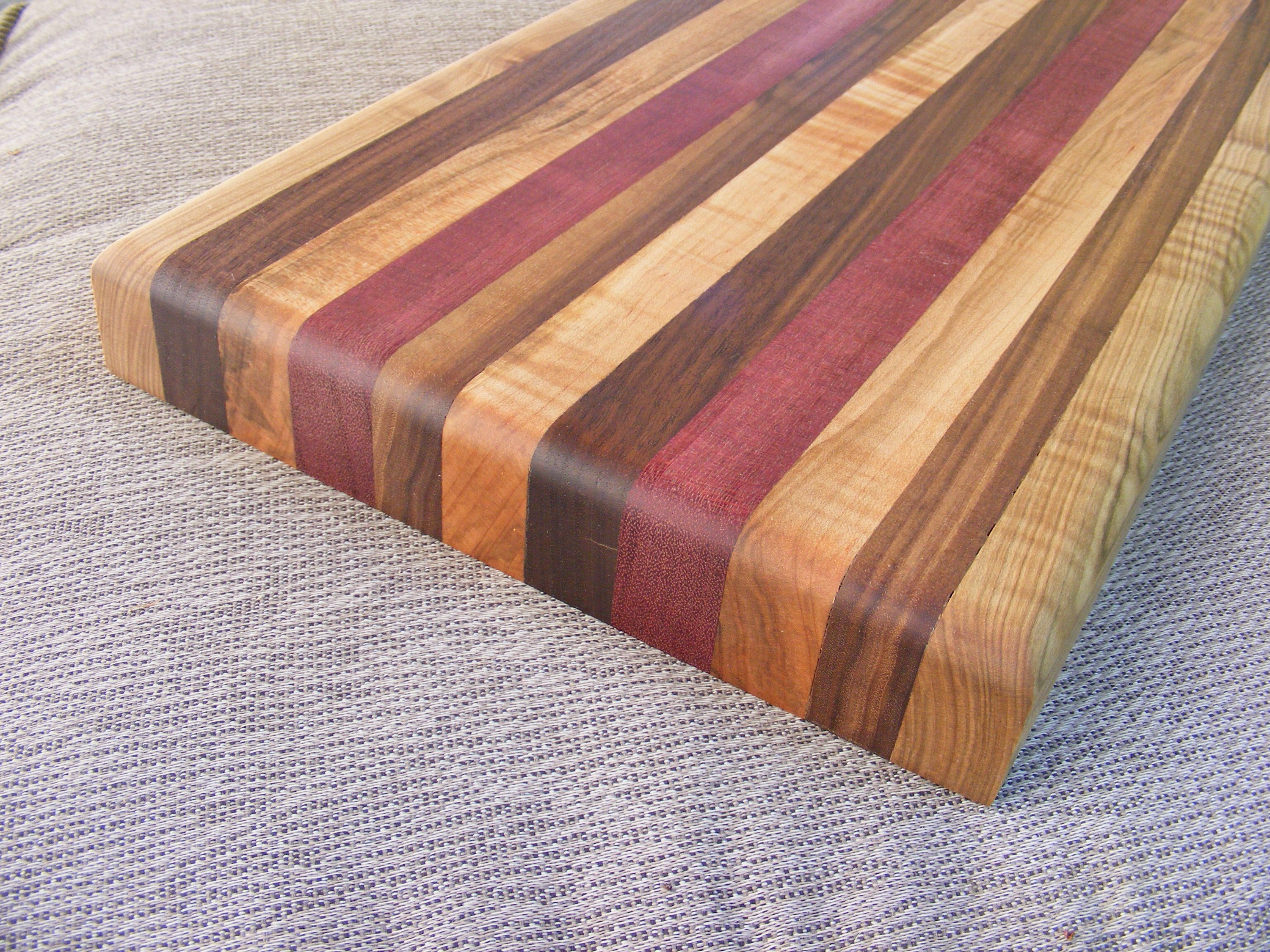
    • Edge-Grain Construction: Pieces are joined edge-to-edge, creating a strong and durable surface. This is a standard approach for cutting boards.
    • End-Grain Construction: Pieces are joined end-to-end, creating a surface that's even more resistant to knife marks and dulling. This is a more challenging but rewarding technique.
    • Combination Construction: You can combine edge-grain and end-grain elements to create a unique and functional cutting board. This is great for experimenting and adding visual interest.

    Use wood glue for a strong bond. Make sure your pieces are aligned perfectly and clamped firmly until the glue dries completely.

    Step 3: Shaping and Finishing

    Once your cutting board is assembled, it's time to shape and refine it!

    • Sanding: Start with a coarser grit sandpaper (80-120) to remove any rough edges or inconsistencies. Gradually progress to finer grits (up to 220 or even 400) to create a smooth and polished finish.
    • Adding a Bevel: Consider adding a slight bevel to the edges of the cutting board. This will give it a more refined look and feel, and it will make it easier to wipe clean.
    • Adding Handles: For larger cutting boards, handles can be a helpful and decorative addition. You can use dowels or sculpted wood for a unique touch.

    Step 4: Sealing and Finishing

    To protect your cutting board from moisture, stains, and bacteria, apply a food-safe sealant. Here are a few popular options:

    • Mineral Oil: This is a classic and affordable choice. It penetrates the wood, creating a protective barrier. You'll need to re-apply mineral oil periodically to maintain the finish.
    • Beeswax: Beeswax provides a natural and water-resistant finish. It can be mixed with mineral oil for a more durable coating.
    • Food-Safe Polyurethane: This is a durable and water-resistant option, but it can be more difficult to apply evenly.

    Always choose food-safe sealants that are specifically designed for cutting boards. Avoid using varnish or other sealants that might contain toxic chemicals.

    Creating Cutting Boards That Sell: Tips for Success

    Now that you know the basics, let's talk about what sets successful cutting boards apart. Here are some key strategies:

    1. Know Your Target Market

    Before you start crafting, think about who you're selling to. Are you aiming for the budget-conscious shopper or the high-end kitchen enthusiast? This will help guide your wood choices, design decisions, and pricing.

    2. Offer Variety and Options

    People love choices! Consider offering a variety of sizes, wood types, and finishing options. This gives shoppers a greater chance of finding something they love.

    3. Embrace Uniqueness

    Don't be afraid to get creative! Experiment with different shapes, designs, and embellishments. Consider incorporating epoxy resin, wood burning, or inlays to add a unique touch.

    4. Photography is Key

    Online shoppers rely heavily on visuals, so make sure your product photos are high-quality and enticing. Use natural light whenever possible, and showcase the beauty of your cutting boards from various angles.

    5. Offer Excellent Customer Service

    Respond to inquiries promptly, package your cutting boards carefully, and be willing to go the extra mile to satisfy your customers. Building a positive reputation is crucial for online success!

    Selling Your Cutting Boards Online: Where to Start

    Once you've got your stunning cutting boards ready, it's time to find your audience. Here are some popular platforms for selling online:

    • Etsy: A fantastic platform for handmade goods. Etsy is known for its strong community and a curated marketplace with a focus on quality.
    • Amazon Handmade: Another great platform for selling handcrafted items, with a vast customer base and excellent marketing tools.
    • Your Own Website: If you want complete control over your branding and selling process, creating your own website is a solid option. Consider using a platform like Shopify for easy setup.
    • Social Media: Facebook, Instagram, and Pinterest are great for showcasing your work and connecting with potential customers. You can use these platforms to promote your online store or sell directly.

    Commonly Asked Questions

    You've got questions, I've got answers! Here are some commonly asked questions about making and selling cutting boards online:

    1. How do I prevent my cutting board from warping?

    Warpage can happen if the wood isn't properly dried or if it's exposed to extreme temperature changes. Make sure you're using kiln-dried wood, and avoid storing your cutting boards in direct sunlight or near heat sources.

    2. How often should I re-oil my cutting board?

    Re-oil your cutting board whenever it feels dry to the touch. This might be every few weeks or every few months, depending on how frequently you use it.

    3. How do I price my cutting boards?

    Consider the cost of materials, your labor time, and the market value of similar products. Factor in your desired profit margin and research what other sellers are charging.

    4. What if I make a mistake?

    Don't sweat it! Mistakes are part of the process. You can often salvage a cutting board by sanding down the mistake and starting again. Sometimes, a "flaw" can even become a unique design element!

    There you have it! Making and selling cutting boards online can be a rewarding and creative endeavor. Don't be afraid to experiment, learn from your mistakes, and have fun with the process. Who knows, you might just be surprised at the beautiful creations you're capable of!

    Share:

    Wednesday, November 13, 2024

    How to Create Floating Shelves with Reclaimed Wood

    How to Create Floating Shelves with Reclaimed Wood

    Creating Floating Shelves with Reclaimed Wood: A Step-by-Step Guide

    Incorporating reclaimed wood into your home décor offers a unique blend of sustainability and rustic charm. Floating shelves, constructed from repurposed wood, not only add visual appeal but also provide a practical solution for storage and display. This guide will walk you through the process of creating stunning floating shelves using reclaimed wood, empowering you to transform salvaged materials into elegant and functional home accents.

    Materials and Tools

    Before embarking on your project, ensure you have the necessary materials and tools. The following list provides a comprehensive overview:

    Materials:

    • Reclaimed wood boards (consider thickness and width for desired shelf size)
    • Wood stain or paint (optional, for desired finish)
    • Wood sealant or varnish (optional, for protection)
    • Shelf brackets (metal or wood, depending on design and weight capacity)
    • Screws or nails (appropriate size for wood and brackets)
    • Wood filler (optional, for patching imperfections)
    • Sandpaper (various grits for smoothing and finishing)
    • Level
    • Measuring tape
    • Pencil
    • Drill with appropriate bits
    • Safety glasses
    • Dust mask
    • Work gloves

    Tools:

    • Saw (circular, jigsaw, or handsaw for cutting wood)
    • Clamps (for securing wood during cutting and assembly)
    • Hammer (for driving nails)
    • Screwdriver (for attaching brackets)
    • Paintbrush or roller (for applying stain or paint)

    Preparing the Reclaimed Wood

    Reclaimed wood often carries a history, showcasing unique textures, knots, and imperfections. This character is part of its charm, but preparation is essential for ensuring a smooth and durable finish.

    Cleaning and Inspection:

    • Remove any loose debris, dirt, or dust using a brush, vacuum, or damp cloth. Allow the wood to dry thoroughly.
    • Inspect the wood for any cracks, splits, or other damage. If needed, use wood filler to repair imperfections.
    • Sand the wood using progressively finer grit sandpaper to create a smooth surface. Begin with a coarse grit (80-120) for removing rough spots and gradually move to finer grits (150-220) for a smooth finish.

    Sizing and Cutting:

    • Measure the desired dimensions of your shelves and mark the wood accordingly.
    • Use a saw to cut the wood to the required length. Ensure the cuts are straight and precise.
    • If necessary, use clamps to secure the wood during cutting to prevent movement.

    Choosing and Installing Shelf Brackets

    Shelf brackets play a crucial role in supporting the weight of your shelves. Consider the following factors when selecting brackets:

    Bracket Types:

    • Metal Brackets: Provide robust support and come in various styles, from sleek and modern to rustic and industrial.
    • Wood Brackets: Offer a natural aesthetic and blend seamlessly with reclaimed wood. They can be customized for a unique look.

    Bracket Placement:

    • Determine the desired shelf height and mark the wall accordingly.
    • Install the brackets securely to the wall using screws or nails, ensuring they are level and at the correct height.
    • Consult the bracket's instructions for proper installation techniques and weight capacity.

    Finishing the Shelves

    After the brackets are installed, the final step is to prepare and attach your reclaimed wood shelves. This stage allows you to personalize the look and protect your shelves from wear and tear.

    Staining or Painting:

    • If desired, apply a wood stain or paint to enhance the natural beauty of the reclaimed wood or create a specific aesthetic.
    • Choose a stain or paint that complements the overall style of your home and the existing décor.
    • Apply the stain or paint evenly using a brush or roller, following the manufacturer's instructions.
    • Allow the stain or paint to dry completely before proceeding.

    Sealing and Protection:

    • To protect your shelves from spills, dust, and scratches, consider applying a sealant or varnish.
    • Choose a sealant or varnish that suits the intended use of the shelves and the type of wood.
    • Apply the sealant or varnish in thin coats, following the manufacturer's instructions.
    • Allow each coat to dry completely before applying the next.

    Attaching the Shelves:

    • Carefully lift the prepared shelves and place them onto the installed brackets.
    • Use screws or nails to secure the shelves to the brackets, ensuring they are firmly attached.
    • Double-check that the shelves are level and securely mounted before adding any weight.

    Tips and Considerations

    Here are some helpful tips and considerations to enhance your floating shelf project:

    • Safety First: Always wear safety glasses, a dust mask, and work gloves when working with wood and power tools.
    • Pre-Drilling: To prevent wood from splitting when attaching brackets or screws, pre-drill pilot holes.
    • Weight Capacity: Ensure the brackets you choose can support the weight of the shelves and the items you plan to display.
    • Creative Design: Experiment with different shelf sizes, shapes, and combinations for a unique and personalized look.
    • Sustainable Sources: When sourcing reclaimed wood, consider ethical suppliers and environmentally responsible practices.
    • Personal Touches: Add decorative elements like metal accents, rope, or fabric to enhance the aesthetic and functionality of your shelves.

    With careful planning and a touch of creativity, you can transform reclaimed wood into stunning floating shelves that enhance your home's style and functionality. Embrace the character of the wood, personalize your design, and enjoy the satisfaction of creating a unique and sustainable home décor piece.

    Share:

    Tips for Painting and Finishing Wood Floating Shelves

    Tips for Painting and Finishing Wood Floating Shelves

    Painting and Finishing Wood Floating Shelves: A Step-by-Step Guide

    Floating shelves add a touch of elegance and functionality to any room, and they're a great DIY project. Whether you're building them from scratch or simply giving store-bought shelves a makeover, painting and finishing them is key to achieving the desired look. This comprehensive guide will walk you through the process, offering tips and tricks for a flawless finish.

    Preparing the Wood for Painting

    The foundation of a beautiful finish lies in proper preparation. Take the time to do this step right, and you'll be rewarded with a smooth, even, and long-lasting paint job.

    Sanding

    Sand the wood thoroughly to create a smooth surface. Start with coarse-grit sandpaper (80-120 grit) to remove any rough spots, imperfections, or previous finishes. Follow up with finer-grit sandpaper (150-220 grit) to achieve a silky smooth surface. Be sure to sand with the grain of the wood to prevent scratches.

    Cleaning

    Once you've sanded, clean the wood to remove dust and debris. Use a tack cloth or a slightly damp cloth to ensure a dust-free surface. This will help your paint adhere properly and prevent imperfections.

    Choosing the Right Paint

    Selecting the appropriate paint is crucial for achieving the desired finish. Consider the following factors when making your choice.

    Type of Paint

    • Latex paint: Easy to apply, water-based, dries quickly, and comes in a wide range of colors. Ideal for most wood projects.
    • Oil-based paint: Known for its durability and deep, rich colors. However, it requires mineral spirits for cleanup and takes longer to dry.
    • Chalk paint: A popular choice for achieving a vintage or distressed look. It adheres well to most surfaces and requires minimal prep work.

    Finish

    • Matte: Creates a flat, non-reflective surface. Ideal for hiding imperfections.
    • Eggshell: Provides a slightly sheen finish, offering a subtle elegance.
    • Satin: Offers a soft, subtle shine and is easy to clean.
    • Semi-gloss: Adds a noticeable shine and is durable and moisture-resistant.
    • Gloss: Creates the highest shine, offering a polished and luxurious look.

    Color

    Choose a color that complements your décor and the overall style of your space. Experiment with color swatches to find the perfect match. Don't be afraid to get creative with bold colors or subtle neutrals.

    Painting the Floating Shelves

    With your paint chosen and your shelves prepped, it's time to unleash your inner artist. Here's a step-by-step guide to painting your floating shelves like a pro.

    Applying the First Coat

    Use a high-quality brush or roller for a smooth and even application. Start by applying a thin, even coat of paint to the entire surface of the shelves. Avoid overloading the brush or roller to prevent drips and runs.

    Drying Time

    Allow the first coat to dry completely according to the manufacturer's instructions. This typically takes a few hours, but it's best to err on the side of caution and give it ample time. A fully dry coat will ensure a smooth, even second coat.

    Second Coat (Optional)

    For a more durable and opaque finish, apply a second coat of paint, following the same steps as the first coat. Let the paint dry thoroughly before moving on to the next step.

    Finishing Touches

    A well-chosen finish can elevate your painted shelves from ordinary to extraordinary. Consider these options to add depth, protection, and a unique touch.

    Sealer

    Applying a sealer is a great way to protect your paint job from wear and tear. Choose a water-based sealer if you used latex paint and an oil-based sealer if you used oil-based paint. Apply the sealer according to the manufacturer's instructions.

    Wax

    Wax adds a subtle shine and a touch of elegance to your shelves. Use a clean cloth to apply a thin layer of wax to the entire surface. Allow it to dry according to the manufacturer's instructions, then buff to a beautiful shine.

    Distressing

    For a vintage or rustic look, distress your painted shelves by gently sanding away some of the paint in areas that would naturally wear with age. This technique creates a charming and unique look.

    Displaying Your Creations

    Once your shelves are painted and finished, it's time to put them on display. Consider the style of your room and the items you want to showcase when arranging your shelves. Use decorative boxes, plants, books, and other personal items to create a stylish and functional display.

    By following these steps and tips, you can paint and finish your wood floating shelves to perfection. You'll create eye-catching pieces that add beauty and functionality to your home.

    Share:

    Small Space Solutions: DIY Wood Floating Shelves

    Small Space Solutions: DIY Wood Floating Shelves

    Small Space Solutions: DIY Wood Floating Shelves

    Hey there, fellow space-challenged dwellers! We all know the struggle: limited square footage, overflowing bookshelves, and a constant yearning for more storage. But fret not, because today we're diving headfirst into a DIY project that will add both style and function to your small space - **floating shelves!**

    Floating shelves are a brilliant solution for maximizing space. They eliminate the need for bulky brackets or legs, giving the illusion of items hovering effortlessly in mid-air. Plus, they're super versatile and can be customized to fit any aesthetic, from sleek and modern to rustic and farmhouse.

    The best part? You don't need to be a seasoned carpenter to pull this off. This project is actually pretty beginner-friendly, and I promise, it's way more satisfying than trying to squeeze another piece of furniture into that already-packed corner. So, grab your tools, let's get creative, and together, we'll build some incredible floating shelves that will transform your space!

    What You'll Need

    Before you get started, make sure you've got all your supplies ready to go. Here's what you'll need:

    • Wood for Shelves: You can choose from different types of wood depending on your desired look and budget. Some popular options include pine, maple, oak, and even reclaimed wood. Make sure the wood is dry and straight for optimal results.
    • Screws for Shelves: These should be long enough to securely attach the shelves to the wall but not so long that they protrude through the front of the shelf.
    • Screws for Shelf Supports (Optional): If you're going for a more robust design, you can use shelf supports to add extra stability. These will also need to be the appropriate length for your shelf thickness and wall type.
    • Wall Anchors (Optional): For walls made of drywall or plaster, you'll likely need wall anchors to provide extra support for heavier items.
    • Measuring Tape: Essential for ensuring accurate shelf placement and cutting.
    • Pencil: For marking your cuts and placement.
    • Level: To ensure your shelves are perfectly horizontal, and let's be honest, who wants wonky shelves?
    • Circular Saw or Hand Saw: For cutting your wood to the desired length. If you're a novice, consider using a hand saw for more control.
    • Drill: For making pilot holes and driving in screws.
    • Sandpaper: For smoothing any rough edges and creating a polished finish.
    • Wood Stain or Paint (Optional): To give your shelves a personalized touch and protect the wood.
    • Safety Glasses: Always wear safety glasses when working with power tools.

    Choosing the Right Wood for Your Shelves

    The wood you choose will heavily influence the overall look and feel of your floating shelves. Here's a quick rundown of some popular wood choices:

    • Pine: It's a softwood that's easy to work with and budget-friendly. It's great for a more rustic or farmhouse style. However, it's prone to scratches and dents.
    • Maple: This hardwood has a beautiful, natural grain and is relatively durable. It's a good choice for a more modern or contemporary look.
    • Oak: Another hardwood known for its strength and durability. Oak can be stained to bring out its natural beauty or painted for a clean, modern finish.
    • Reclaimed Wood: Gives your shelves a unique character and adds a touch of sustainability to your project. Look for reclaimed wood from old barns, pallets, or other sources.

    The best wood for you will depend on your personal taste, budget, and the style of your space. Remember, there are countless options out there, so take your time and choose the wood that speaks to you.

    Planning and Measuring

    Now, let's get serious about planning! You need to decide where your shelves will go, how many you'll make, and how long you want them to be. Here's a step-by-step guide:

    1. Decide on Shelf Placement: Consider the existing furniture, wall décor, and the items you want to display. You'll need to choose a location where the shelves are both visually appealing and accessible.
    2. Measure and Mark Your Wall: Use a level and measuring tape to mark the exact positions on the wall where you want your shelves to be. Don't forget to account for the thickness of the shelf itself.
    3. Determine Shelf Lengths: Based on your chosen placement and the items you want to display, determine the ideal lengths for your shelves. Remember, you can always cut the wood to size later if needed.
    4. Consider Shelf Depth: The depth of your shelves should be determined by the items you plan to put on them. Too shallow, and they might not hold anything. Too deep, and they could feel bulky and awkward.

    Cutting Your Wood

    Alright, the cutting process is where things start to get exciting. Make sure you have a clear workspace, and remember, safety first!

    1. Cut your Wood to Length: Use your circular saw (or hand saw) to cut your wood pieces to the desired lengths. Be sure to use a straight edge and make slow, controlled cuts.
    2. Sanding and Finishing: Once your wood pieces are cut, it's time to sand them. Use sandpaper to smooth out any rough edges and create a smooth, polished finish.
    3. Staining or Painting (Optional): If you want to stain or paint your shelves, now is the time to do it. Let the stain or paint dry completely before proceeding to the installation stage.

    Installing Your Shelves

    You're in the home stretch! Now comes the fun part - actually putting your shelves up. Here's how to do it like a pro:

    1. Locate Studs: Use a stud finder to locate the wall studs where you want to mount your shelves. This is crucial for stability, especially if you'll be placing heavier items on the shelves.
    2. Pre-Drill Pilot Holes: To prevent splitting the wood, pre-drill pilot holes for the screws that will attach the shelves to the wall. Make sure the pilot holes are slightly smaller than the diameter of your screws.
    3. Attach Shelf Supports (Optional): If you're using shelf supports, screw them into the wall studs according to the manufacturer's instructions.
    4. Attach the Shelves: Place the shelves on the wall studs or shelf supports, and attach them using the screws you pre-drilled. Make sure they're level and secure.
    5. Enjoy Your New Shelves: And that's it! Stand back and admire your handiwork. Your shelves are now ready to be filled with your favorite books, plants, photos, or whatever else you want to display.

    Additional Tips for Success

    Here are a few extra tips to make your DIY floating shelves a smashing success:

    • Don't Be Afraid to Get Creative: These shelves are yours to personalize! Experiment with different wood types, shapes, and sizes to create a unique look.
    • Add Some Extra Storage: Get extra crafty and build small drawers or boxes to slide underneath your shelves for added storage space.
    • Think About Lighting: Consider adding accent lighting to highlight your displayed items and give your shelves a dramatic touch.
    • Embrace Your Mistakes: Don't be afraid to make mistakes along the way! Every DIY project is a learning experience.

    Remember, building floating shelves is a rewarding project that allows you to add personalized style to your small space. It might seem intimidating at first, but I promise, it's a lot easier than it looks. So, gather your materials, follow these steps, and get ready to transform your home with some DIY magic!

    Share:

    Kids Crafting: Easy Woodworking Projects for Beginners

    Kids Crafting: Easy Woodworking Projects for Beginners

    Kids Crafting: Easy Woodworking Projects for Beginners

    Woodworking is a rewarding hobby that can teach children valuable skills, from problem-solving and creativity to hand-eye coordination and attention to detail. It's a fantastic way to tap into their natural curiosity and encourage them to explore their imagination, while also fostering a sense of accomplishment.

    Introducing woodworking to kids doesn't require complex tools or elaborate designs. Simple, beginner-friendly projects are a great starting point. These projects can be modified based on age and skill level, making it an engaging activity for a wide range of children.

    Safety First: Setting the Stage for Successful Woodworking

    Before embarking on any woodworking project, prioritizing safety is paramount. Establish clear rules and guidelines to ensure a safe and enjoyable experience for everyone involved.

    Essential Safety Gear

    • Safety glasses: Protect eyes from flying debris.
    • Hearing protection: Reduce noise levels, especially when using power tools.
    • Work gloves: Provide a secure grip and protect hands from splinters and cuts.
    • Dust mask: Prevent inhaling wood dust, which can be harmful to respiratory health.

    Creating a Safe Workspace

    • Clear work area: Keep the workspace clutter-free and well-lit to prevent tripping hazards.
    • Secure work surface: Use a sturdy table or workbench that won't wobble or move during work.
    • Proper tool storage: Keep tools organized and out of reach of children when not in use.

    Supervising Children

    • Constant supervision: Always supervise children during woodworking activities.
    • Age-appropriate tools: Choose tools that are safe and easy for children to use.
    • Teaching proper techniques: Demonstrate correct tool usage and techniques before allowing children to work independently.

    Easy Woodworking Projects for Kids

    Here are some easy and engaging woodworking projects that are perfect for young beginners:

    1. Wooden Coasters

    • Materials: Wooden squares or circles, sandpaper, wood glue, paint or stain, felt pads.
    • Instructions:
      • Sand the wooden pieces to smooth out any rough edges.
      • Apply wood glue to the bottom of each piece and attach felt pads.
      • Decorate the coasters with paint, stain, or other creative embellishments.

    2. Simple Picture Frames

    • Materials: Wooden strips, glue, saw (adult assistance required), sandpaper, paint or stain.
    • Instructions:
      • Measure and cut the wooden strips to form a square or rectangle.
      • Glue the strips together to form a frame.
      • Sand the frame to remove any rough edges.
      • Decorate the frame with paint, stain, or other embellishments.

    3. Wooden Toy Vehicles

    • Materials: Wooden blocks or dowels, glue, paint, wheels (craft store or online).
    • Instructions:
      • Glue wooden blocks or dowels together to form the body of the vehicle.
      • Attach wheels to the vehicle.
      • Paint and decorate the vehicle with your desired colors and designs.

    4. Wooden Birdhouses

    • Materials: Wooden box or small piece of plywood, glue, saw (adult assistance required), paint, roof shingles (optional).
    • Instructions:
      • Cut a hole in the front of the wooden box or plywood for the birds to enter.
      • Attach a roof to the box if desired.
      • Paint and decorate the birdhouse.

    5. Wooden Keychains

    • Materials: Small wooden shapes, key rings, glue, paint, sandpaper.
    • Instructions:
      • Sand the wooden shapes to smooth out any rough edges.
      • Paint and decorate the shapes with your desired designs.
      • Attach a key ring to each shape using glue or a small screw.

    Tips for Successful Kids' Woodworking

    Here are some tips to make woodworking a fun and rewarding experience for children:

    • Start small and simple: Begin with projects that are manageable and can be completed within a reasonable timeframe.
    • Encourage creativity: Let children express their individuality by choosing their own colors, designs, and embellishments.
    • Make it a collaborative experience: Involve children in every step of the project, from planning to execution.
    • Celebrate accomplishments: Acknowledge and praise children's efforts and successes, no matter how small.
    • Keep it fun and engaging: Woodworking should be enjoyable. If children are losing interest, switch to a different project or take a break.

    Woodworking Beyond the Basics

    As children gain confidence and skill, they can gradually move on to more challenging woodworking projects. This might include:

    • Building furniture: Start with small pieces like stools or shelves, and gradually work up to larger projects.
    • Carving: Introduce wood carving with simple shapes and designs.
    • Turning: Explore wood turning with a lathe, under adult supervision.
    • Inlay: Experiment with decorative inlays using different materials like wood, metal, or stone.

    Woodworking is a versatile hobby that can be enjoyed by people of all ages. By starting with simple projects and gradually building skills, children can develop a lifelong passion for woodworking, while also fostering creativity, problem-solving, and practical skills.

    Share:

    Personalized Jewelry Box: A Woodworking Gift Made with Love

    Personalized Jewelry Box: A Woodworking Gift Made with Love

    Personalized Jewelry Box: A Woodworking Gift Made with Love

    In the realm of heartfelt gifts, a personalized jewelry box stands as a testament to both artistry and affection. Crafted with meticulous care and imbued with unique touches, it transcends the ordinary and becomes a cherished treasure that holds memories and emotions close to the heart. Whether for a loved one, a cherished friend, or even a special treat for oneself, a handcrafted jewelry box is a gift that speaks volumes about the thoughtfulness and love invested in its creation.

    The Art of Woodworking: A Legacy of Craftsmanship

    Woodworking, an art form that has been passed down through generations, embodies a deep connection between nature and human creativity. The warm, natural beauty of wood, its unique grain patterns, and its ability to be shaped into intricate designs have captivated artisans for centuries. When applied to crafting a jewelry box, woodworking becomes an expression of both skill and sentiment.

    The Choice of Wood: A Symphony of Textures and Tones

    The selection of wood is paramount in determining the character and aesthetic appeal of the jewelry box. From the rich, deep hues of mahogany to the elegant lightness of cherry, each wood species possesses its own distinct personality.

    • Mahogany: Its deep, reddish-brown tones exude an air of sophistication and timeless elegance, making it a popular choice for heirloom-quality boxes.
    • Cherry: Known for its warm, reddish-brown color and fine, even grain, cherry wood brings a touch of warmth and sophistication to the jewelry box.
    • Walnut: With its distinctive dark brown hues and distinctive grain pattern, walnut wood adds a touch of rustic charm and character to the box.
    • Oak: Renowned for its durability and rich, warm color, oak wood lends a sense of strength and timeless elegance to the jewelry box.

    Beyond the choice of wood, the craftsman's ability to select and match wood grains plays a pivotal role in enhancing the beauty of the finished piece. By carefully aligning the grains, the woodworker creates a visually captivating tapestry that adds depth and dimension to the box.

    The Joinery: A Testimony to Precision and Strength

    The heart of a handcrafted jewelry box lies in its joinery, the art of seamlessly connecting different pieces of wood. Traditional joinery techniques, such as dovetail joints, mortise and tenon joints, and finger joints, not only ensure structural integrity but also reveal the craftsman's expertise and dedication to creating a lasting piece.

    Dovetail joints, with their interlocking teeth, are renowned for their strength and aesthetic appeal, while mortise and tenon joints, known for their precise fit, provide a secure and durable connection. Finger joints, characterized by their intricate interlocking patterns, add a touch of elegance and intricate detail to the box.

    Personalizing the Jewelry Box: A Touch of Uniqueness

    A personalized jewelry box goes beyond mere functionality; it becomes a treasured keepsake that reflects the individual's tastes and preferences. The process of personalization adds a layer of intimacy and meaning to the gift, turning it into a truly unique and cherished treasure.

    Engraving: A Timeless Expression of Love and Affection

    Engraving, the art of inscribing letters, designs, or images onto a surface, adds a touch of elegance and permanence to the jewelry box. A personalized message, a meaningful date, or a cherished name etched onto the lid or the front of the box creates a lasting reminder of the gift's special significance.

    Inlays: Creating a Visual Symphony of Patterns

    Inlays, the art of embedding different materials into a wooden surface, allow for the creation of intricate designs and patterns that add a touch of sophistication and visual interest to the jewelry box. Using contrasting wood species, precious metals, or other materials, the craftsman can create intricate geometric patterns, floral motifs, or even personalized symbols.

    Custom Finishes: Enhancing the Beauty of Wood

    The final touch that completes the transformation of a simple wooden box into a personalized masterpiece is the application of a custom finish. This can range from a simple oil finish that highlights the natural beauty of the wood to a more elaborate lacquer finish that adds a layer of protection and shine.

    • Oil finishes: Penetrate the wood's pores, enhancing its natural color and grain pattern while providing a subtle sheen.
    • Lacquer finishes: Create a hard, protective coating that enhances the wood's durability and adds a lustrous shine.
    • Staining: Alters the wood's color, allowing for a wider range of hues and shades to complement the recipient's taste.

    The Legacy of a Handcrafted Jewelry Box

    A personalized jewelry box is more than just a container; it's a testament to the enduring power of craftsmanship and the depth of human connection. It becomes a symbol of love, care, and thoughtfulness, a treasure to be passed down through generations. The warmth of the wood, the intricate details of its construction, and the personalized touches all contribute to a legacy that will be cherished for years to come.

    As the recipient opens the box, they are greeted not only by the beauty of their treasured jewelry but also by a tangible expression of love and affection. The jewelry box becomes a reminder of the special bond between the giver and the receiver, a timeless reminder of the enduring power of a gift crafted with love.

    Share:

    How to Make Wood Floating Shelves from Scratch

    How to Make Wood Floating Shelves from Scratch

    Creating Custom Floating Shelves: A Comprehensive Guide

    Floating shelves offer a sleek and contemporary solution for displaying cherished objects, adding storage space, and enhancing the visual appeal of any room. While they may appear deceptively simple, crafting floating shelves from scratch provides a rewarding and fulfilling DIY project that allows you to tailor the design to your specific needs and aesthetic preferences.

    This comprehensive guide will lead you through the step-by-step process of creating custom floating shelves, from selecting materials and planning the design to assembling and installing your masterpiece.

    Materials and Tools

    Before embarking on your floating shelf adventure, gather the necessary materials and tools to ensure a smooth and successful construction process.

    Wood

    The choice of wood depends on the desired aesthetic and durability of your shelves. Here are some popular options:

    • Pine: A softwood known for its affordability and ease of working. Pine readily accepts stains and paints, making it versatile for different styles.
    • Maple: A hardwood with a beautiful grain pattern and a natural warm tone. Maple is relatively hard and durable, making it ideal for heavy items.
    • Cherry: A hardwood prized for its rich reddish-brown color and intricate grain. Cherry develops a warm patina over time, adding to its character.
    • Walnut: A luxurious hardwood renowned for its dark chocolate-brown color and distinctive grain. Walnut is strong, durable, and highly sought-after.

    Consider the thickness of the wood based on the size and weight of the objects you intend to display. For smaller shelves, a thickness of ¾ inch may suffice, while heavier shelves may require thicker boards.

    Hardware

    • Shelf brackets: These are typically made of metal or plastic and come in various sizes and finishes. Choose brackets that complement the style of your shelves and can support the weight of the items to be displayed.
    • Screws: Select screws appropriate for the type of wood you're using and the thickness of the shelf boards. Use screws that are long enough to secure the brackets firmly to the wall.
    • Drywall anchors (optional): If you're installing the shelves into drywall, you may need drywall anchors to provide additional support and prevent the screws from pulling out.

    Tools

    • Saw: A circular saw, jigsaw, or hand saw for cutting the wood to size.
    • Measuring tape: For accurate measurements and marking.
    • Pencil: For marking the wood.
    • Sandpaper: For smoothing the edges and surfaces of the shelves.
    • Drill: For drilling pilot holes before screwing in the brackets.
    • Level: For ensuring the shelves are installed level.
    • Stud finder: To locate wall studs for secure installation.
    • Screwdriver or drill driver: For attaching the brackets and shelves.

    Planning and Design

    Before diving into the construction, carefully plan the design of your floating shelves.

    Dimensions and Number of Shelves

    Consider the available wall space, the size of the objects you'll be storing, and the overall aesthetic you're aiming for. Determine the length, width, and number of shelves that best suit your needs.

    Shelf Placement

    Decide on the height and spacing of your shelves. Ensure that the shelves are positioned at a comfortable height for access and display.

    Style and Finish

    Consider the style of your décor and choose a wood type, finish, and bracket design that complements the overall theme of the room.

    Construction

    Once you have your materials and design finalized, you can begin the construction process.

    Cutting the Wood

    Using a saw, cut the wood to the desired length and width of your shelves. Make sure to use a straight edge and measure carefully for accurate cuts.

    Sanding and Finishing

    Sand the edges and surfaces of the shelves using sandpaper with progressively finer grits. This will smooth out any rough spots and create a professional finish.

    Apply a stain, paint, or sealant to the shelves, if desired, to enhance the appearance and protect the wood.

    Installation

    Once the shelves are prepared, you can install them on the wall.

    Locating Studs

    Use a stud finder to locate wall studs for secure installation. Studs are the vertical supports within the wall, providing the strongest points for attaching shelves.

    Marking and Drilling

    Use a pencil to mark the wall where you want to install the shelf brackets. At each mark, drill pilot holes that are slightly smaller than the diameter of the screws you'll be using.

    Attaching Brackets

    Attach the shelf brackets to the wall using screws. If you are installing into drywall, use drywall anchors for added support. Make sure the brackets are securely attached and level.

    Installing Shelves

    Carefully place the shelves onto the brackets. Ensure that the shelves are flush with the wall and level. If needed, make minor adjustments to the bracket positions until the shelves are perfectly aligned.

    Final Touches

    Once the shelves are installed, you can add finishing touches to enhance their appearance.

    Decorating

    Arrange your favorite objects, books, plants, or other decorative items on the shelves. Utilize the space creatively and personalize the shelves to reflect your style and taste.

    Lighting

    Consider adding lighting, such as LED strip lights or small spotlights, to illuminate your shelves and highlight your display items.

    Tips and Considerations

    Here are some tips to make your floating shelf project a success:

    • Choose the right brackets: Select brackets that are strong enough to support the weight of the items you plan to display. Consider the size of the shelves and the load capacity of the brackets.
    • Measure twice, cut once: Accuracy is crucial in woodworking projects. Measure carefully and double-check your measurements before making cuts.
    • Use safety gear: Wear safety glasses and a dust mask when using power tools and sanding.
    • Plan your installation: Decide on the placement of the shelves and mark the wall accordingly before drilling.
    • Use a level: Ensure that the shelves are level for a professional look.

    Creating custom floating shelves from scratch offers a fulfilling and rewarding DIY project. With careful planning, meticulous construction, and a touch of creativity, you can transform your home with these stylish and functional additions.

    Share:

    Tuesday, November 12, 2024

    DIY Coffee Table Plans for Beginners: PDF Included

    DIY Coffee Table Plans for Beginners: PDF Included

    DIY Coffee Table Plans for Beginners: PDF Included

    Building your own coffee table is a rewarding project that can add a personal touch to your living room. Whether you’re a seasoned DIYer or just starting out, this guide will walk you through the process of building a simple yet stylish coffee table. This comprehensive guide includes detailed plans, a materials list, and step-by-step instructions, all packaged in a downloadable PDF for your convenience.

    Choosing Your Coffee Table Design

    The first step is to choose a design that suits your style and skill level. For beginners, it's recommended to start with a simple design that doesn't require complex cuts or joinery. Here are a few popular options:

    Simple Rectangular Table

    • This design is easy to build and provides a clean, modern aesthetic.
    • It typically features a rectangular top with four legs, providing ample space for drinks and décor.

    X-Frame Table

    • An X-shaped frame adds a touch of visual interest to the design.
    • The cross-bracing provides stability and contributes to the overall strength of the table.

    Mid-Century Modern Table

    • Inspired by the iconic furniture designs of the mid-20th century.
    • Often features tapered legs and a simple, minimalist aesthetic.

    Materials and Tools

    Once you've selected a design, gather the necessary materials and tools. The materials list will vary depending on your chosen design, but here's a general list for a simple rectangular coffee table:

    Materials

    • Wood: Choose a sturdy wood like pine, oak, or maple. You'll need lumber for the tabletop, legs, and any additional supports or braces.
    • Wood screws: Use screws that are long enough to secure the wood pieces together and provide adequate strength.
    • Wood glue: This will help to bond the wood pieces and create a stronger joint.
    • Sandpaper: Use different grits for smoothing and finishing the wood.
    • Wood stain or paint: Choose a finish that complements your existing décor.
    • Polyurethane or varnish: This will protect the wood from spills and wear and tear.

    Tools

    • Circular saw or hand saw: For cutting the lumber to size.
    • Drill/driver: For drilling pilot holes and driving screws.
    • Measuring tape: For accurate measurements.
    • Clamps: To hold the wood pieces securely while gluing or screwing.
    • Safety glasses: To protect your eyes from wood chips and sawdust.
    • Work gloves: For protection while working with tools.

    Step-by-Step Instructions

    The detailed instructions for building your coffee table are provided in the downloadable PDF. Here's a general overview of the steps involved:

    Step 1: Cutting the Wood

    • Refer to the plans for the exact dimensions of each piece.
    • Use your saw to cut the wood accurately.

    Step 2: Assembling the Tabletop

    • Join the tabletop pieces together using wood glue and screws.
    • Clamp the pieces together securely until the glue dries.

    Step 3: Assembling the Legs

    • Attach the legs to the underside of the tabletop using wood glue and screws.
    • Ensure the legs are positioned evenly and square to the tabletop.

    Step 4: Adding Additional Supports

    • If your design includes additional supports or braces, attach them to the tabletop or legs.
    • Follow the instructions in the plans for the placement and attachment methods.

    Step 5: Sanding and Finishing

    • Sand the entire table to smooth out any rough edges and prepare it for finishing.
    • Apply wood stain or paint according to the manufacturer's instructions.
    • Finish with a layer of polyurethane or varnish to protect the wood.

    Safety Tips

    Building a coffee table involves working with power tools and sharp objects. Always prioritize safety by following these tips:

    • Wear safety glasses to protect your eyes from wood chips and sawdust.
    • Use work gloves to protect your hands.
    • Keep work areas clean and free of clutter.
    • Use clamps to secure wood pieces and prevent accidental movement.
    • Never use power tools without proper training and supervision.

    Downloadable PDF Plans

    To access the comprehensive coffee table plans, including a detailed materials list, step-by-step instructions, and design diagrams, please click the following link: [Insert PDF Download Link Here]

    With these plans and a little effort, you can create a beautiful and functional coffee table that you'll enjoy for years to come.

    Share:

    Transform Your Bedroom with a DIY Bedside Cabinet – Free Plans Included

    Transform Your Bedroom with a DIY Bedside Cabinet â€

    Transform Your Bedroom with a DIY Bedside Cabinet - Free Plans Included!

    Hey there, fellow DIY enthusiasts! Are you tired of looking at that boring, empty space next to your bed? Maybe your current bedside table just isn't cutting it anymore. Well, I've got good news for you: you don't have to settle for the ordinary! With a little bit of time, some basic tools, and a touch of creativity, you can build a stunning bedside cabinet that perfectly complements your style and adds a touch of personality to your bedroom.

    And the best part? You don't need to spend a fortune on fancy furniture! We're going to tackle this project with a DIY spirit, using free plans that will guide you every step of the way. So grab your favorite beverage, put on your favorite tunes, and let's get started!

    Choosing the Right Design for You

    Before we jump into the construction, it's important to decide on the perfect design for your bedside cabinet. What style fits your bedroom best? Do you prefer a sleek and modern look, or are you leaning towards something more rustic and charming? Think about the overall ambiance you're trying to create and what will complement your existing furniture.

    Here are a few things to consider when choosing your design:

    • Size: How much space do you have next to your bed? Measure the area carefully to ensure your cabinet will fit comfortably.
    • Style: Consider the overall style of your bedroom and choose a design that complements your existing furniture.
    • Storage Needs: What do you plan to store in your bedside cabinet? Do you need shelves for books and magazines? A drawer for smaller items? Or perhaps a combination of both?
    • Materials: Think about the look and feel you're going for. Will you use wood, metal, or a combination of materials? Consider your budget and the level of difficulty for each material.

    Essential Tools and Materials

    Once you've chosen your design, gather the necessary tools and materials. Here's a basic list to get you started:

    • Wood: Choose a wood that suits your style and budget. Pine and plywood are popular choices for beginners due to their affordability and ease of workability.
    • Measuring tape: Essential for ensuring accurate cuts and dimensions.
    • Circular saw or jigsaw: For cutting the wood to size.
    • Drill: For drilling pilot holes and securing screws.
    • Screwdriver: For attaching the pieces together.
    • Clamps: To hold the pieces in place during construction.
    • Sandpaper: For smoothing out rough edges and surfaces.
    • Wood glue: To bond the pieces securely.
    • Finishing supplies: This could include paint, stain, or varnish, depending on your desired finish.

    Step-by-Step Guide to Building Your Bedside Cabinet

    Now for the fun part! Let's get our hands dirty and build that beautiful bedside cabinet. Here's a general outline of the process, keeping in mind that each design will have specific steps outlined in your chosen plans.

    1. Cut the Pieces

    This is where your free plans come in! Carefully measure and cut all the wood pieces to the specified dimensions. Take your time and make sure everything is accurate. A little extra care now will pay off later.

    2. Assemble the Frame

    Start by joining the side panels to the top and bottom pieces, making sure they are square and flush. Use wood glue and screws to secure each joint. Clamps can help hold the pieces together while the glue dries. You can also add a back panel to provide additional stability.

    3. Add Shelves and Drawers (If Necessary)

    If your design calls for shelves or drawers, now's the time to build them. Make sure to choose the right hardware for your project, such as drawer slides and shelf supports. Follow the instructions in your plans carefully, and don't forget to reinforce the areas where the shelves or drawers will be attached.

    4. Sand and Finish

    Before applying any finishing touches, smooth out any rough edges with sandpaper. This will create a cleaner and more professional look. Once everything is sanded, you can choose your desired finish. You can paint the cabinet, stain it, or apply a clear varnish. Let the finish dry completely before moving on to the final step.

    5. Hardware and Finishing Touches

    Add the final touches like drawer pulls, knobs, or door hinges. Make sure everything is securely attached and functioning properly. You can also add a decorative trim or accents to personalize your cabinet further.

    Tips for Success

    Here are some additional tips to ensure your project is a success:

    • Read the plans carefully: Don't skip any steps. Take your time and follow the instructions precisely.
    • Measure twice, cut once: Double-check your measurements before making any cuts. A mistake here could mean a lot of extra work later on.
    • Use quality tools: Invest in good quality tools for a smoother and more enjoyable experience. A good saw, drill, and sandpaper will make a huge difference.
    • Don't rush: Take your time and enjoy the process. There's no need to rush, and the end result will be much better if you take your time and do a good job.
    • Have fun!: Building your own bedside cabinet is a rewarding experience. Don't be afraid to experiment with different finishes and styles. The most important thing is to have fun and create something you love.

    Where to Find Free Plans

    You can find a wide variety of free plans online for DIY bedside cabinets. Here are a few popular resources:

    • Pinterest: Pinterest is a treasure trove of DIY inspiration, including countless plans for bedside cabinets.
    • Ana White: Ana White's website offers free woodworking plans for a variety of projects, including bedside cabinets.
    • YouTube: Many DIY enthusiasts share step-by-step tutorials on YouTube, so you can find a video for almost any design.

    Conclusion

    There you have it! With a little effort and creativity, you can transform your bedroom with a stunning DIY bedside cabinet. Not only will it save you money, but it will also give you a sense of accomplishment and allow you to express your personal style. So grab your tools, choose your design, and let's get started!

    Share:

    Diy guide to making a unique wooden clock for gift-giving

    Diy guide to making a unique wooden clock for gift-giving

    A Comprehensive Guide to Crafting a Unique Wooden Clock for Gift-Giving

    Embark on a rewarding woodworking project by crafting a personalized wooden clock, a unique and heartfelt gift that will be treasured for years to come. This guide will equip you with the knowledge and steps to create a stunning timepiece that showcases your craftsmanship and reflects your recipient's tastes.

    Project Planning: Laying the Foundation for Success

    Before diving into the construction, meticulous planning is key to ensuring a successful outcome. This includes:

    1. Design Selection

    The design of your clock will determine its aesthetic appeal and the complexity of the construction. Consider these options:

    • Classic Round Clock: A timeless design that is both simple and elegant.
    • Square or Rectangular Clock: Offers a modern and minimalist aesthetic.
    • Geometric Shapes: Embrace geometric shapes like triangles or hexagons for a unique and visually striking clock.
    • Custom Designs: Incorporate personal touches like initials, dates, or even a silhouette of the recipient for a truly personalized gift.

    2. Material Choice

    The wood you choose will impact the clock's appearance, durability, and cost. Popular options include:

    • Pine: Budget-friendly and easy to work with, pine is a good choice for beginners.
    • Maple: Known for its beautiful grain pattern and durability.
    • Cherry: Possesses rich reddish-brown tones that deepen with age.
    • Walnut: Offers a striking dark brown color with unique grain patterns.
    • Reclaimed Wood: A sustainable option that adds character and history to your clock.

    3. Clock Mechanism Selection

    Choose a clock mechanism that suits your design and desired features. Consider these factors:

    • Quartz Movement: Silent and accurate, ideal for most clock projects.
    • Mechanical Movement: Offers a distinctive ticking sound but requires more attention to winding.
    • Analog or Digital: Analog clocks offer a classic feel, while digital clocks provide clear and precise time display.

    4. Tools and Equipment

    Gather the necessary tools for a smooth and efficient woodworking process:

    • Circular Saw or Table Saw: For cutting wood to size.
    • Jig Saw: For intricate cuts and shaping.
    • Drill: For drilling holes for the clock mechanism and hands.
    • Sandpaper: For achieving a smooth surface.
    • Wood Glue: For adhering wood pieces together.
    • Clamps: For securing wood pieces during assembly.
    • Measuring Tape: For accurate measurements.
    • Pencil or Pen: For marking wood.

    Construction: Bringing Your Design to Life

    Follow these steps to assemble your wooden clock:

    1. Cutting the Wood

    Based on your design, accurately cut the wood pieces using a circular saw or table saw. Ensure smooth, clean cuts for a professional finish.

    2. Shaping and Sanding

    Use a jigsaw to shape the wood pieces according to your design. Once shaped, sand the wood to a smooth finish using progressively finer grit sandpaper.

    3. Assembly

    Adhere the wood pieces together using wood glue and clamps. Ensure proper alignment and secure bonding before removing the clamps.

    4. Clock Mechanism Installation

    Drill a hole in the back of the clock face to accommodate the clock mechanism. Secure the mechanism using screws or bolts.

    5. Hand Installation

    Carefully attach the hour and minute hands to the clock mechanism, ensuring they are securely fastened. Align the hands at the 12 o'clock position.

    6. Finishing Touches

    Apply a finish to the wood, such as stain, paint, or varnish, to enhance its appearance and protect it from scratches and moisture. Choose a finish that complements your design and the wood type.

    Personalization: Adding a Touch of Uniqueness

    Elevate your wooden clock to a personalized masterpiece by incorporating these ideas:

    • Engraving: Engrave the recipient's name, a special date, or a meaningful quote on the clock face or the back of the clock.
    • Inlays: Add decorative inlays using contrasting wood species, metal, or other materials.
    • Decorative Hardware: Replace the standard clock hands with unique and stylish options, such as metal hands with decorative finishes or intricate wood-carved hands.

    Safety Precautions: Working with Wood and Tools

    Safety should always be a top priority when working with wood and tools. Follow these guidelines:

    • Wear Safety Glasses: Protect your eyes from flying debris.
    • Use Ear Protection: Minimize noise exposure.
    • Wear Work Gloves: Protect your hands from splinters and cuts.
    • Keep Work Area Clean: Remove clutter and debris to prevent accidents.
    • Use Proper Tools and Equipment: Ensure your tools are in good working order and use them appropriately.
    • Take Breaks: Avoid fatigue, which can lead to errors and accidents.

    Presentation: Making a Lasting Impression

    Once your wooden clock is complete, present it with care and thoughtfulness:

    • Gift Wrap: Wrap the clock in elegant gift wrap and tie it with a ribbon. Consider adding a personal touch, such as a handwritten card or a small bouquet of flowers.
    • Presentation Box: Consider creating a custom presentation box to enhance the gifting experience.
    • Personalized Message: Include a heartfelt message card expressing your love and appreciation for the recipient.

    Creating a unique wooden clock for gift-giving is a rewarding experience that combines creativity, skill, and personal touch. Follow this comprehensive guide to create a truly special and cherished timepiece that will be a treasured reminder of your love and care.

    Share:

    Custom Squirrel Den Box Plans for Outdoor Spaces

    Custom Squirrel Den Box Plans for Outdoor Spaces

    Create a Cozy Abode for Your Backyard Squirrels: Custom Squirrel Den Box Plans

    If you're lucky enough to have squirrels scampering around your yard, you might be thinking about ways to make their lives a little easier and more enjoyable. One way to do that is by building a custom squirrel den box. These boxes provide a safe and sheltered place for squirrels to rest, raise their young, and escape from predators. Not only will you be providing a valuable service to these furry friends, but you'll also get to enjoy observing them from a safe distance.

    Building a custom squirrel den box is a relatively simple project that even novice woodworkers can tackle. In this article, we'll guide you through the process of designing and building your own squirrel den box. You'll learn about the materials you'll need, the dimensions you should aim for, and the steps involved in construction. By the end, you'll be ready to create a cozy haven for your backyard squirrels.

    Designing Your Squirrel Den Box

    Before you grab your tools and materials, it's important to spend some time planning your squirrel den box. Consider these key factors:

    Size and Shape

    The size and shape of your squirrel den box will depend on the species of squirrel that you're trying to attract. For example, Eastern gray squirrels are larger than red squirrels, so they will require a larger box. You should aim for a box that is at least 12 inches wide, 12 inches deep, and 18 inches tall. The shape of the box is largely a matter of personal preference, but a rectangular shape is generally considered to be the most practical.

    Entrance Hole

    The entrance hole should be large enough for squirrels to easily enter and exit the box, but not so large that predators can gain access. A hole that is 3-4 inches in diameter should be suitable for most squirrel species. Place the entrance hole on one of the side walls, about 6-8 inches from the bottom of the box. This will help to prevent water from entering the box.

    Ventilation

    Proper ventilation is crucial to ensure that the interior of the box remains dry and comfortable for the squirrels. You can achieve this by drilling several 1-inch diameter holes in the bottom and back walls of the box. These holes should be positioned above the floor of the box to prevent water from entering.

    Location

    Choose a location for your squirrel den box that is close to trees, shrubs, and other natural cover. The box should be positioned at least 10 feet above the ground and out of reach of predators. You can attach the box to a tree or a sturdy post using heavy-duty wire or metal straps.

    Materials and Tools

    Here's a list of materials and tools you'll need for building your squirrel den box:

    • Wood: Use durable, weather-resistant wood like cedar or redwood. Avoid using treated lumber, as it can be harmful to squirrels.
    • Screws: Use galvanized screws or stainless steel screws to ensure long-lasting durability.
    • Saw: Use a hand saw or a circular saw to cut the wood to the desired size.
    • Drill: Use a drill to create the entrance hole and ventilation holes.
    • Tape measure: Use a tape measure to accurately measure the dimensions of the box.
    • Pencil or marker: Use a pencil or marker to mark the wood before cutting.
    • Level: Use a level to ensure that the box is installed correctly.
    • Safety goggles: Use safety goggles to protect your eyes while working with power tools.
    • Work gloves: Use work gloves to protect your hands from splinters and tools.

    Building the Squirrel Den Box

    Now that you have your materials and tools, you can begin building your squirrel den box.

    Cutting the Wood

    Start by cutting the wood for the sides, back, and front of the box to your desired dimensions. For the roof, you can either use a single piece of wood or two separate pieces that overlap. Make sure all of the pieces are cut to the correct size before assembling the box.

    Assembling the Box

    Assemble the box by screwing the sides, back, and front pieces together. You can use wood glue to help reinforce the joints. Be sure to leave the top open for now.

    Creating the Entrance Hole

    Use a drill to create the entrance hole on one of the side walls of the box. Make sure that the hole is positioned above the floor of the box to prevent water from entering.

    Adding Ventilation Holes

    Drill several 1-inch diameter holes in the bottom and back walls of the box. These holes should be positioned above the floor of the box to ensure proper ventilation.

    Attaching the Roof

    Attach the roof to the box using screws. If you're using two separate pieces for the roof, be sure to overlap them to prevent water from leaking into the box.

    Finishing Touches

    Now that the box is built, you can add a few finishing touches to make it more attractive and functional. You can paint the box with a non-toxic, weather-resistant paint or stain. You can also add a small platform in front of the entrance hole to make it easier for squirrels to enter and exit the box.

    Installing the Squirrel Den Box

    Finally, it's time to install your squirrel den box. Choose a location that is close to trees, shrubs, and other natural cover. The box should be positioned at least 10 feet above the ground and out of reach of predators. You can attach the box to a tree or a sturdy post using heavy-duty wire or metal straps. Secure the box tightly to prevent it from falling.

    With a little time and effort, you can build a custom squirrel den box that will provide a safe and comfortable home for your backyard squirrels. Enjoy watching these fascinating creatures as they use their new abode to rest, play, and raise their young. Your squirrel den box is sure to become a popular spot in your yard and a reminder of the joy and beauty that wildlife can bring.

    Share:

    Building a Squirrel Den Box with These Easy Plans

    Building a Squirrel Den Box with These Easy Plans

    Building a Squirrel Den Box with These Easy Plans

    Want to add a touch of whimsy and wildlife to your backyard? Building a squirrel den box is a fun and rewarding project that can attract these playful creatures to your space. It's a great way to observe their antics up close and contribute to their well-being.

    This guide will walk you through the process step-by-step, making it easy for even beginner DIYers to build a sturdy and cozy home for their local squirrels. Let's get started!

    Materials You'll Need

    Before you grab your tools, gather these materials:

    • Wood: Choose a rot-resistant wood like cedar, redwood, or pressure-treated pine. You'll need approximately 12-16 board feet for a standard den box.
    • Screws: Use exterior-grade screws that are long enough to penetrate the wood completely.
    • Wood glue: Optional, but recommended for added strength.
    • Weatherproof paint or stain: (optional) to protect the wood from the elements.
    • Safety gear: Wear safety glasses, gloves, and dust mask when cutting and sanding the wood.
    • Tools: You'll need basic woodworking tools like a saw, drill, screwdriver, level, measuring tape, and sandpaper.

    Den Box Design and Dimensions

    The classic squirrel den box is a rectangular structure with a front entrance hole and an internal chamber for nesting. Here's a typical design:

    • Dimensions: 12" wide x 12" deep x 18" high (can be adjusted based on your preferences)
    • Entrance hole: 4" in diameter, located about 6 inches from the top of the box
    • Roof: Sloped to prevent water accumulation
    • Ventilation: Include small holes on the sides or back of the box for air circulation

    Step-by-Step Construction

    Follow these steps to build your squirrel den box:

    1. Cut the Wood

    • Cut the wood into the following pieces:
    • Two side panels (12" x 18")
    • Two back panels (12" x 12")
    • One bottom panel (12" x 12")
    • One roof panel (12" x 18")
    • One front panel (12" x 12")

    2. Assemble the Walls

    • Attach the side panels to the back panels, using screws or nails. Be sure to keep the panels flush and at right angles.
    • Apply wood glue to the joints for added strength, if desired.
    • Repeat for the other side.

    3. Attach the Bottom

    • Screw or nail the bottom panel to the bottom edges of the side panels. Ensure it is level and flush with the side panels.

    4. Create the Entrance Hole

    • On the front panel, mark the location for the entrance hole. It should be centered and about 6 inches from the top.
    • Use a drill to create a pilot hole in the center of the marked area.
    • Carefully cut out the entrance hole using a saw or jigsaw. Sand the edges to smooth them.

    5. Attach the Front Panel

    • Attach the front panel to the front edges of the side panels. Ensure it's flush with the side panels and the entrance hole is aligned.

    6. Create the Roof

    • Cut two roof support pieces (6" x 18") from the leftover wood. These will be placed inside the box to support the roof.
    • Screw or nail the roof support pieces to the inside of the back panels, positioned near the top edges.
    • Attach the roof panel to the top edges of the walls, using screws or nails.
    • The roof panel should overhang the front panel slightly to create a small overhang.

    7. Add Ventilation Holes

    • Drill 1-2 small ventilation holes in the back or sides of the box. This allows air to circulate and prevent moisture build-up inside.

    8. Finish and Install

    • Sand the entire box to smooth any rough edges or splinters.
    • Paint or stain the box (optional) with weatherproof paint or stain. Allow the paint to dry completely before installing.
    • Choose a location for the den box that's high off the ground, sheltered from the elements, and near trees for easy access.
    • Securely attach the den box to the tree or a sturdy post using screws or brackets.

    Tips for Attracting Squirrels

    Once your den box is built and installed, here are some tips to attract squirrels:

    • Offer a food source: Place a squirrel feeder nearby filled with nuts, seeds, or fruits. This will encourage squirrels to visit your area.
    • Provide a water source: A shallow dish of fresh water near the den box will be appreciated, especially during hot weather.
    • Keep your yard squirrel-friendly: Plant native trees and shrubs that provide natural food sources and nesting materials.
    • Be patient: It might take some time for squirrels to discover the den box and make it their home.

    Building a squirrel den box is a fun and fulfilling way to support wildlife in your backyard. It's a rewarding project that will bring joy to both you and the squirrels that call it home.

    Share:

    Search This Blog

    Powered by Blogger.

    Pages

    Blog Archive